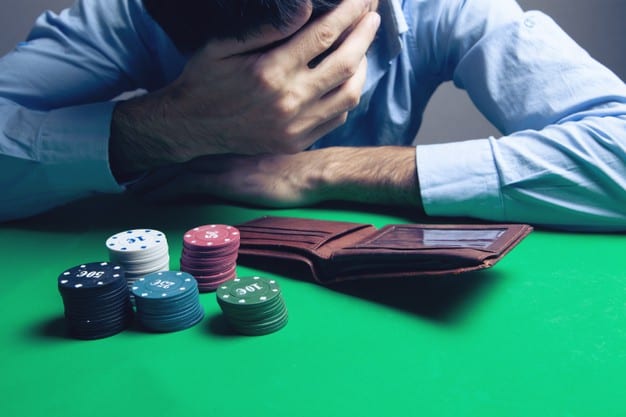
 Compulsive gambling can take control of a person’s life, affecting finances, relationships, and mental health. Many people who struggle with gambling addiction feel trapped in a cycle of betting, losing, and chasing losses, often unable to stop on their own. Understanding how gambling addiction works and seeking professional support can provide the guidance, tools, and structure necessary for lasting recovery.
Understanding Compulsive Gambling
Compulsive gambling, also called gambling disorder, is a serious behavioral and mental health condition. It is characterized by an uncontrollable urge to gamble, even in the face of negative consequences. Unlike casual gambling, which is recreational, compulsive gambling hijacks the brain’s reward system, creating strong cravings and reinforcing harmful behavior.
Individuals with gambling addiction often experience co-occurring mental health issues such as anxiety, depression, or stress-related disorders. Addressing these underlying challenges is crucial to breaking the cycle of addiction and achieving sustainable recovery.
Why Quitting Alone Is Often Not Enough
Many people attempt to quit gambling on their own but find that willpower alone is insufficient. There are several reasons why this happens:
-
Brain chemistry: Gambling triggers the release of dopamine, creating temporary pleasure and reinforcing the behavior. Over time, the brain associates gambling with reward, making urges harder to resist.
-
Emotional triggers: Stress, loneliness, and other strong emotions can prompt gambling as a coping mechanism.
-
Environmental cues: Casinos, betting apps, and social pressure can constantly remind individuals of gambling opportunities.
Recognizing that gambling addiction is a complex condition helps remove self-blame and encourages seeking professional support.
Practical Steps for Recovery
Inpatient and Outpatient Treatment Programs
Structured treatment programs are highly effective for addressing compulsive gambling. Inpatient programs provide 24-hour care in a safe environment, allowing individuals to focus entirely on recovery while removing exposure to triggers. Outpatient programs provide therapy, counseling, and group support while allowing individuals to maintain daily responsibilities, making them ideal for those with supportive home environments.
Therapy and Mental Health Support
Professional therapy is essential for addressing both gambling behaviors and co-occurring mental health conditions. Cognitive-behavioral therapy helps individuals identify negative thought patterns and develop healthier coping strategies. Group therapy fosters community and accountability, helping reduce feelings of isolation while reinforcing motivation for change.
Holistic and Faith-Based Approaches
Recovery extends beyond stopping gambling. Holistic approaches focus on restoring balance in mind, body, and spirit. Practices such as mindfulness, meditation, exercise, nutrition, and faith-based guidance provide tools for managing stress, building resilience, and creating a purposeful, fulfilling life beyond gambling.
Personalized Care Plans
No two journeys to recovery are the same. Treatment centers create individualized care plans tailored to each person’s triggers, goals, and challenges. Personalized strategies improve engagement, strengthen motivation, and increase the likelihood of maintaining long-term recovery.
Moving Toward Lasting Recovery
Taking the first step toward recovery requires acknowledging the need for help and reaching out for professional support. Structured treatment, therapy, and holistic care provide the guidance and resources needed to break free from compulsive gambling.
If you or a loved one is struggling with gambling, contact a qualified addiction recovery provider today. Explore inpatient or outpatient programs, therapy, and holistic support that can help you regain control, rebuild relationships, and create a life free from compulsive betting.
Leave a Reply
You must be logged in to post a comment.