 For many individuals, gambling begins as a casual activity but can quickly spiral into a compulsion that affects every aspect of life. When gambling becomes uncontrollable, it impacts finances, relationships, and emotional well-being. Quitting on your own often feels impossible, but the right support, structured treatment, and holistic care can help individuals break free from gambling and rebuild a balanced, fulfilling life.
Understanding Gambling Addiction
Gambling addiction, also called compulsive gambling or gambling disorder, is a recognized behavioral and mental health condition. It alters the brain’s reward pathways, creating intense urges and reinforcing repetitive betting behavior even when it causes significant harm.
Compulsive gambling rarely exists in isolation. Many individuals experience co-occurring mental health challenges such as anxiety, depression, or stress-related disorders. Addressing these underlying factors is critical to achieving sustainable recovery.
Why Professional Support Matters
Overcoming gambling addiction with willpower alone is often ineffective. Urges are driven by both biological and emotional factors, including changes in brain chemistry and responses to stress or emotional triggers. Professional support provides the tools, guidance, and accountability necessary to navigate these challenges.
Inpatient and Outpatient Treatment Options
Inpatient treatment programs provide 24-hour care in a safe environment, allowing individuals to focus solely on recovery while minimizing exposure to gambling triggers. This intensive approach is particularly beneficial for severe addiction or for individuals with co-occurring mental health conditions.
Outpatient programs offer structured therapy and support while allowing individuals to maintain work, school, or family responsibilities. This flexible approach combines counseling, group sessions, and coping strategies that can be practiced in real-life settings.
Therapy and Mental Health Support
Therapy is essential for understanding and managing compulsive gambling. Cognitive-behavioral therapy helps individuals identify harmful thought patterns and replace them with healthier coping strategies. Individual counseling addresses personal triggers, while group therapy provides accountability and peer support. Treating co-occurring mental health conditions reduces the risk of relapse and improves overall well-being.
Holistic and Faith-Based Approaches
Recovery goes beyond stopping gambling. Holistic care addresses mind, body, and spirit. Techniques such as mindfulness, meditation, exercise, nutrition, and faith-based guidance equip individuals with tools to manage stress, build resilience, and create meaning beyond gambling. These practices complement therapy and support long-term recovery.
Personalized Care Plans
Every recovery journey is unique. Professional treatment centers design personalized care plans tailored to each person’s challenges, goals, and triggers. Individualized strategies improve engagement, foster motivation, and enhance the likelihood of sustained recovery.
Taking the First Step Toward Freedom
Acknowledging the need for help is a courageous step. Structured treatment, professional therapy, and holistic support provide the foundation for breaking free from gambling addiction.
If you or a loved one is struggling with gambling, reach out to a qualified addiction recovery provider today. Explore inpatient or outpatient programs, therapy, and holistic care options designed to help you regain control, rebuild relationships, and achieve lasting recovery. With the right support, freedom from gambling is possible, and a healthier, balanced life is within reach.
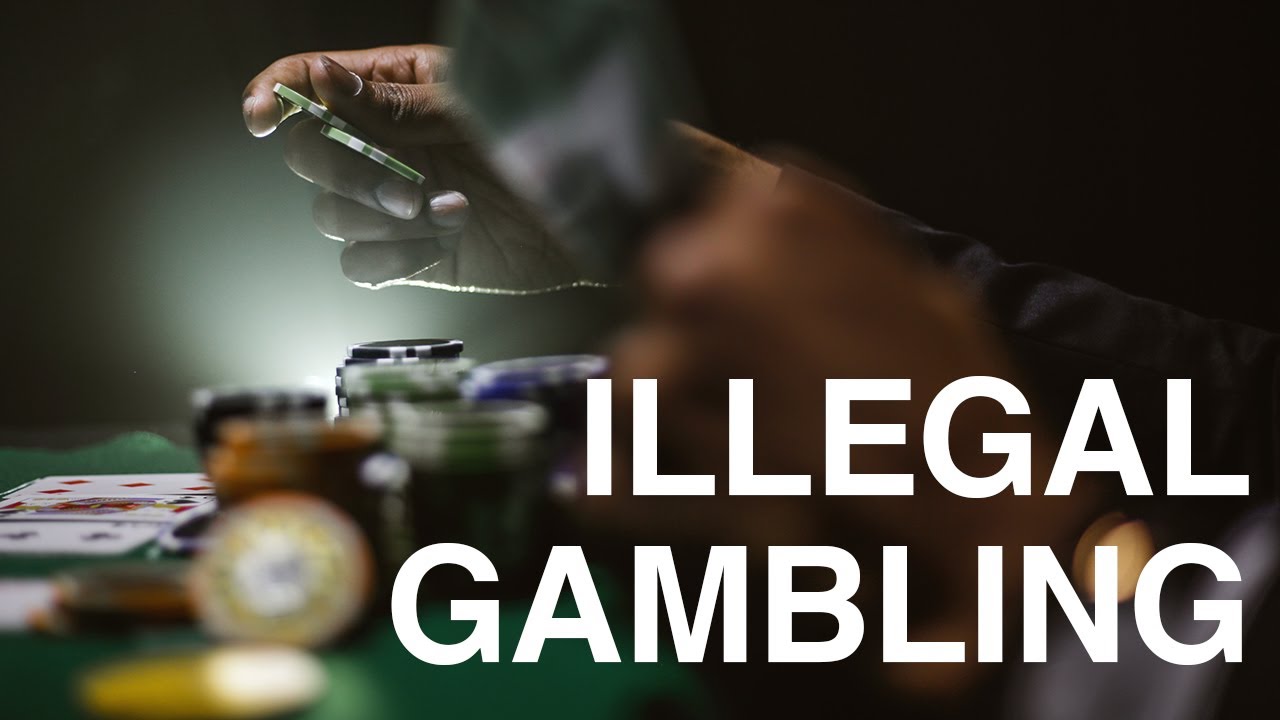 For many individuals, gambling addiction feels like a constant battle against overwhelming urges. The pull to bet can dominate thoughts, disrupt finances, and strain relationships. While the temptation may seem unstoppable, lasting recovery is possible. With the right strategies, professional support, and holistic care, individuals can move beyond the urge and regain control of their lives.
Understanding Gambling Addiction
Gambling addiction, also known as compulsive gambling or gambling disorder, is a serious mental health condition. It affects the brain’s reward system, creating powerful cravings and reinforcing risky behavior even when it leads to negative consequences.
In addition to behavioral challenges, individuals often experience co-occurring conditions such as anxiety, depression, or stress-related disorders. Addressing these underlying issues is essential to achieving sustained recovery and overall wellness.
Why Professional Support Is Critical
Quitting gambling on your own is rarely effective. The urges are driven not only by habit but also by changes in brain chemistry and emotional patterns. Professional support provides the tools, guidance, and accountability needed to overcome these challenges.
Inpatient and Outpatient Programs
Inpatient treatment offers a structured environment where individuals receive around-the-clock care. This immersive approach is particularly effective for those with severe gambling addiction or co-occurring mental health issues.
Outpatient programs allow individuals to maintain work or family responsibilities while participating in therapy, counseling, and support groups. Both inpatient and outpatient options provide evidence-based treatment tailored to individual needs.
Therapy and Mental Health Services
Professional therapy is a cornerstone of gambling addiction recovery. Cognitive-behavioral therapy helps individuals recognize harmful thought patterns and develop healthier coping strategies. Individual counseling addresses personal triggers, while group therapy fosters community, accountability, and shared experience. Treating co-occurring mental health conditions enhances recovery outcomes and reduces the risk of relapse.
Holistic and Faith-Based Approaches
Recovery involves more than simply stopping gambling. Holistic and faith-based approaches focus on restoring balance in mind, body, and spirit. Practices such as mindfulness, meditation, exercise, nutrition, and spiritual guidance help individuals manage stress, build resilience, and cultivate purpose. These strategies complement traditional therapy and provide tools for long-term healing.
Personalized Recovery Plans
No two journeys to recovery are the same. Treatment centers develop individualized care plans that consider each person’s unique triggers, goals, and challenges. Personalized plans improve engagement, strengthen motivation, and increase the likelihood of lasting recovery.
Taking Action Toward Lasting Change
Overcoming gambling addiction is a courageous journey. Recognizing the need for professional support and engaging in structured care can break the cycle of compulsive gambling. With therapy, holistic practices, and personalized guidance, individuals can move beyond the urge, rebuild relationships, and create a meaningful, balanced life.
If you or a loved one is struggling with gambling, reach out to a qualified addiction recovery provider today. Explore inpatient or outpatient programs, therapy options, and holistic support that can help you break free from gambling addiction and achieve lasting recovery.
 Gambling addiction can feel overwhelming and isolating. Many individuals who struggle with compulsive betting believe they can quit on their own, relying on willpower or self-discipline. While these efforts are understandable, gambling addiction is a complex behavioral and mental health condition that often requires professional support. Accessing expert care can provide the structure, guidance, and tools necessary to break the cycle and achieve lasting recovery.
Understanding Gambling Addiction
Gambling addiction, also known as compulsive gambling or gambling disorder, affects the brain’s reward system, creating intense cravings and reinforcing harmful behaviors. The condition is not a matter of personal weakness. Repeated gambling despite serious consequences often coexists with mental health challenges such as anxiety, depression, or stress-related disorders.
Professional care addresses both the behavioral and emotional components of gambling addiction. By treating the whole person rather than just the behavior, recovery becomes more sustainable and meaningful.
Why Professional Care Is Essential
Attempting to overcome gambling addiction without support can be daunting. There are several reasons why professional care makes a significant difference:
-
Structured Support: Treatment programs provide a safe and organized environment where individuals can focus entirely on recovery.
-
Expert Guidance: Trained professionals understand the nuances of gambling addiction and can develop personalized strategies to manage cravings and prevent relapse.
-
Accountability and Community: Therapy and support groups foster connection and shared experience, reducing isolation and reinforcing motivation.
Recognizing the value of professional care shifts the focus from self-blame to proactive recovery.
Components of Effective Professional Care
Inpatient and Outpatient Treatment
Inpatient programs offer intensive, 24-hour care for individuals with severe gambling addiction or co-occurring mental health conditions. Removing access to gambling and providing round-the-clock support allows individuals to focus fully on recovery.
Outpatient programs offer therapy, counseling, and support groups while allowing individuals to maintain work, school, or family responsibilities. Both inpatient and outpatient programs are designed to provide structured, evidence-based care tailored to individual needs.
Therapy and Mental Health Support
Therapy is central to recovery. Cognitive-behavioral therapy helps individuals identify negative thought patterns, manage triggers, and develop healthier coping strategies. Individual counseling addresses personal challenges, while group therapy provides peer support and accountability. Treating co-occurring mental health conditions is vital to reduce the risk of relapse and improve overall well-being.
Holistic and Faith-Based Approaches
Recovery extends beyond stopping gambling. Holistic care addresses mind, body, and spirit. Mindfulness, meditation, exercise, nutrition, and faith-based guidance help individuals manage stress, rebuild resilience, and cultivate a meaningful life beyond gambling. These approaches complement traditional therapy and support long-term recovery.
Personalized Care Plans
Every individual’s journey is unique. Professional treatment centers create personalized care plans based on personal triggers, goals, and challenges. Tailored strategies improve engagement, motivation, and the likelihood of lasting recovery.
Taking the First Step Toward Lasting Recovery
Acknowledging the need for professional help is a courageous step. Accessing structured treatment, therapy, and holistic support provides the tools needed to break the cycle of gambling addiction.
If you or a loved one is struggling with compulsive gambling, reach out to a qualified addiction recovery provider today. Explore inpatient or outpatient care, therapy, and holistic programs designed to help you regain control, rebuild relationships, and achieve lasting recovery.
Word count: 552
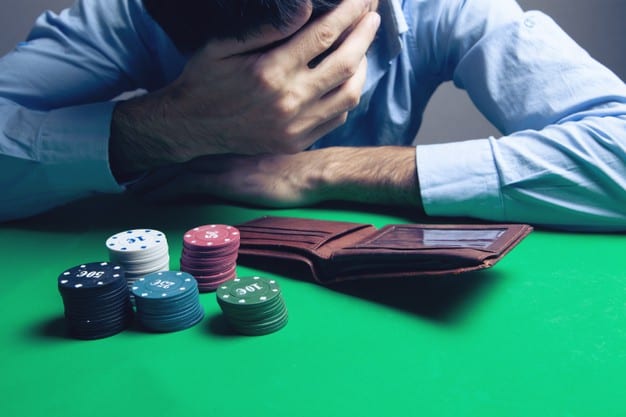 Compulsive gambling can take control of a person’s life, affecting finances, relationships, and mental health. Many people who struggle with gambling addiction feel trapped in a cycle of betting, losing, and chasing losses, often unable to stop on their own. Understanding how gambling addiction works and seeking professional support can provide the guidance, tools, and structure necessary for lasting recovery.
Understanding Compulsive Gambling
Compulsive gambling, also called gambling disorder, is a serious behavioral and mental health condition. It is characterized by an uncontrollable urge to gamble, even in the face of negative consequences. Unlike casual gambling, which is recreational, compulsive gambling hijacks the brain’s reward system, creating strong cravings and reinforcing harmful behavior.
Individuals with gambling addiction often experience co-occurring mental health issues such as anxiety, depression, or stress-related disorders. Addressing these underlying challenges is crucial to breaking the cycle of addiction and achieving sustainable recovery.
Why Quitting Alone Is Often Not Enough
Many people attempt to quit gambling on their own but find that willpower alone is insufficient. There are several reasons why this happens:
-
Brain chemistry: Gambling triggers the release of dopamine, creating temporary pleasure and reinforcing the behavior. Over time, the brain associates gambling with reward, making urges harder to resist.
-
Emotional triggers: Stress, loneliness, and other strong emotions can prompt gambling as a coping mechanism.
-
Environmental cues: Casinos, betting apps, and social pressure can constantly remind individuals of gambling opportunities.
Recognizing that gambling addiction is a complex condition helps remove self-blame and encourages seeking professional support.
Practical Steps for Recovery
Inpatient and Outpatient Treatment Programs
Structured treatment programs are highly effective for addressing compulsive gambling. Inpatient programs provide 24-hour care in a safe environment, allowing individuals to focus entirely on recovery while removing exposure to triggers. Outpatient programs provide therapy, counseling, and group support while allowing individuals to maintain daily responsibilities, making them ideal for those with supportive home environments.
Therapy and Mental Health Support
Professional therapy is essential for addressing both gambling behaviors and co-occurring mental health conditions. Cognitive-behavioral therapy helps individuals identify negative thought patterns and develop healthier coping strategies. Group therapy fosters community and accountability, helping reduce feelings of isolation while reinforcing motivation for change.
Holistic and Faith-Based Approaches
Recovery extends beyond stopping gambling. Holistic approaches focus on restoring balance in mind, body, and spirit. Practices such as mindfulness, meditation, exercise, nutrition, and faith-based guidance provide tools for managing stress, building resilience, and creating a purposeful, fulfilling life beyond gambling.
Personalized Care Plans
No two journeys to recovery are the same. Treatment centers create individualized care plans tailored to each person’s triggers, goals, and challenges. Personalized strategies improve engagement, strengthen motivation, and increase the likelihood of maintaining long-term recovery.
Moving Toward Lasting Recovery
Taking the first step toward recovery requires acknowledging the need for help and reaching out for professional support. Structured treatment, therapy, and holistic care provide the guidance and resources needed to break free from compulsive gambling.
If you or a loved one is struggling with gambling, contact a qualified addiction recovery provider today. Explore inpatient or outpatient programs, therapy, and holistic support that can help you regain control, rebuild relationships, and create a life free from compulsive betting.