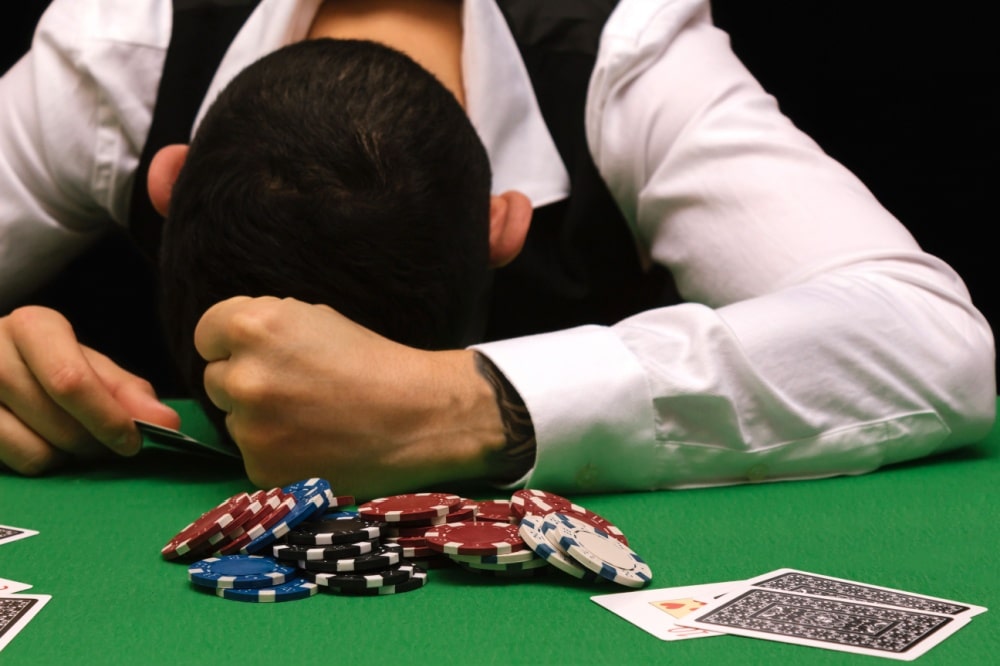
 Breaking free from gambling addiction can feel overwhelming, especially when attempts to quit on your own have not worked. Many individuals find themselves stuck in a repeating cycle of gambling, regret, and renewed attempts to stop. The good news is that this cycle is not permanent. With the right combination of professional support, therapy, and structured recovery programs, lasting change is possible. Gambling addiction is treatable, and help is available for those ready to take the first step.
Understanding the Cycle of Gambling Addiction
Gambling addiction, also known as gambling disorder or compulsive gambling, is a behavioral health condition that affects impulse control and decision-making. It often develops gradually, starting as occasional gambling and progressing into a compulsive pattern that feels difficult to stop.
Over time, gambling becomes more than entertainment. It can become a coping mechanism for stress, emotional pain, or mental health challenges. This creates a cycle where temporary relief is followed by consequences such as financial stress, guilt, and emotional distress, which then fuel the urge to gamble again.
Why the Cycle Feels So Hard to Break
Understanding why gambling becomes repetitive is an important part of recovery.
Brain reward system involvement
Gambling activates the brain’s reward system and releases dopamine. This creates a temporary feeling of excitement or escape, reinforcing the behavior even when it leads to negative outcomes.
Emotional triggers and coping patterns
Stress, anxiety, loneliness, and depression often contribute to gambling behavior. Without healthier coping tools, individuals may rely on gambling as an emotional escape.
Environmental accessibility
Online betting platforms, casinos, and constant advertising make gambling highly accessible. This exposure increases the risk of relapse even when motivation to quit is strong.
Proven Treatment Options That Help Break the Cycle
Recovery is most effective when it includes structured care and evidence-based treatment approaches.
Inpatient treatment for intensive support
Inpatient programs provide a safe, structured environment where individuals can focus entirely on recovery. With 24-hour care, therapy sessions, and removal from gambling triggers, inpatient treatment helps stabilize behavior and address underlying issues. This level of care is especially helpful for severe addiction or co-occurring mental health conditions.
Outpatient treatment for flexible recovery
Outpatient programs allow individuals to receive professional care while maintaining daily responsibilities. Therapy sessions, group counseling, and skill development help individuals practice recovery strategies in real-life situations. This approach provides flexibility while still offering consistent support.
Therapy and mental health support
Therapy is a key part of breaking the cycle of gambling addiction. Cognitive behavioral therapy helps individuals identify harmful thought patterns and replace them with healthier responses. Individual therapy focuses on personal triggers, while group therapy provides accountability and shared understanding. Treating co-occurring conditions such as anxiety or depression is essential for long-term success.
Holistic and Faith-Based Recovery Support
Recovery involves more than stopping gambling behavior. It requires healing the whole person.
Mindfulness and emotional awareness
Mindfulness techniques help individuals observe urges without acting on them. This improves emotional regulation and reduces impulsive behavior over time.
Physical wellness and daily structure
Healthy routines that include exercise, sleep, and balanced nutrition support mental clarity and emotional stability. Structure helps reduce chaos and strengthens consistency in recovery.
Faith-based and values-driven healing
For many individuals, spiritual or faith-based support provides purpose, strength, and motivation. This can play a meaningful role in rebuilding identity and long-term resilience.
Personalized Care for Lasting Recovery
Every individual’s experience with gambling addiction is different. Personalized treatment plans ensure that care is tailored to specific triggers, history, and recovery goals. This individualized approach improves engagement and helps create practical strategies that work in real life, not just in theory.
Taking the First Step Toward Recovery
Breaking the cycle of gambling addiction starts with recognizing that help is needed and available. Recovery is not about willpower alone. It is about having the right tools, guidance, and support system in place.
If you or someone you love is struggling with gambling, reaching out for professional help is a powerful first step. With inpatient or outpatient treatment, therapy, and holistic support, it is possible to break the cycle and build a healthier, more stable future.
You do not have to face this alone. Support is available, and recovery can begin today.

 Many people struggling with gambling addiction find themselves stuck in a confusing and painful cycle. You may genuinely want to stop gambling, yet still feel pulled back into it again and again. This can lead to frustration, shame, and the belief that change is not possible. The truth is that compulsive gambling is not a failure of willpower. It is a treatable behavioral health condition that affects decision-making, impulse control, and emotional regulation. With the right recovery treatment, lasting change is absolutely achievable.
Understanding the Cycle of Compulsive Gambling
Gambling addiction, also known as gambling disorder, is more than a habit. It is a pattern of behavior reinforced by the brain’s reward system. When gambling becomes compulsive, it often serves as a way to cope with stress, emotional discomfort, or mental health challenges.
Even when someone wants to quit, the cycle can continue because the brain has learned to associate gambling with short-term relief or excitement. This creates a powerful internal conflict between intention and impulse.
Why You Keep Gambling Even When You Want to Stop
Understanding the reasons behind continued gambling is an important step toward recovery. Several key factors often contribute to the cycle.
Brain reward system reinforcement
Gambling triggers the release of dopamine, which creates feelings of excitement or relief. Over time, the brain begins to crave this reward response, even when the consequences are harmful. This is why urges can feel automatic and difficult to resist.
Emotional coping and escape
Many individuals use gambling as a way to cope with stress, anxiety, depression, or unresolved emotional pain. While it may temporarily distract from discomfort, it ultimately increases emotional distress over time.
Triggers in everyday life
Access to online betting platforms, financial stress, or exposure to gambling environments can activate strong urges. These triggers can appear suddenly and feel overwhelming without coping tools in place.
The cycle of chasing losses
After losses, some individuals gamble more in an attempt to recover money. This pattern often deepens the cycle and increases both emotional and financial consequences.
How Recovery Treatment Can Help Break the Cycle
Recovery is most effective when it includes structured, professional support that addresses both behavior and underlying emotional needs.
Inpatient treatment for focused stabilization
Inpatient programs provide a safe and structured environment where individuals can step away from gambling completely. With 24-hour support, therapy, and a trigger-free setting, inpatient care helps stabilize behavior and begin deep recovery work.
This level of care is especially beneficial for individuals experiencing severe addiction or co-occurring mental health conditions.
Outpatient treatment for real-world recovery
Outpatient programs allow individuals to continue daily responsibilities while receiving consistent therapeutic support. This includes counseling, group therapy, and skill-building sessions that help apply recovery tools in everyday life.
Outpatient care is effective for individuals who need structure while maintaining work, school, or family commitments.
Therapy and mental health support
Therapy is a core part of gambling addiction recovery. Cognitive behavioral therapy helps individuals recognize thought patterns that lead to gambling and replace them with healthier responses.
Individual therapy addresses personal triggers and emotional challenges, while group therapy provides connection, accountability, and shared understanding. Treating underlying mental health conditions such as anxiety or depression is essential for long-term recovery success.
Holistic and Faith-Based Support in Recovery
Healing from gambling addiction involves more than stopping the behavior. It requires rebuilding emotional balance and personal well-being.
Mindfulness and stress management
Mindfulness practices help individuals observe urges without acting on them. This improves emotional regulation and reduces impulsive reactions.
Physical wellness and daily structure
Exercise, sleep, and healthy routines support brain recovery and emotional stability. Structure helps reduce chaos and build consistency in daily life.
Faith-based and values-driven healing
For many individuals, faith or spiritual support provides hope, meaning, and strength during recovery. This can play an important role in rebuilding identity and purpose.
Personalized Treatment for Lasting Change
No two recovery journeys are the same. Personalized treatment plans ensure that care is tailored to each person’s triggers, history, and goals. This individualized approach improves engagement and helps create practical, long-term strategies that actually work in real life.
Taking the First Step Toward Recovery
If you keep gambling even when you want to stop, it does not mean you are failing. It means you are dealing with a condition that requires support, structure, and care. Recovery is possible, and many people have successfully rebuilt their lives with the right treatment.
Professional inpatient or outpatient care, therapy, and holistic support can help you break the cycle and regain control. If you or someone you love is struggling with gambling addiction, reaching out for help is a strong and important first step. Support is available, and change can begin today.