 Gambling addiction can feel overwhelming, but recovery is not only possible, it is happening every day. Across communities, individuals are finding hope, healing, and freedom from compulsive gambling. Their stories, combined with proven recovery strategies and professional support, demonstrate that change is within reach. If you or someone you love is struggling, the right combination of guidance and determination can help break the cycle and rebuild a healthier future.
Real Stories of Recovery
John’s Journey to Freedom
John, a business professional, began gambling as a way to escape stress. What started as occasional entertainment soon spiraled into mounting debts and secrecy at home. When his marriage began to suffer, John sought treatment. Through inpatient care and group therapy, he developed healthier coping skills and reconnected with his family. Today, John mentors others who are beginning their recovery journeys.
Maria’s Road to Stability
For Maria, online gambling became a nightly ritual to manage loneliness. The convenience made it easy to hide, but the financial strain grew impossible to ignore. With the help of an outpatient program and faith-based counseling, Maria learned how to face her emotions without turning to gambling. She now uses her story to inspire others in recovery support groups.
These stories highlight an important truth: no matter how deep the addiction feels, there is always a path forward.
Proven Strategies That Support Recovery
Seek Professional Help Early
Treatment programs are designed to address both the behavior and the underlying mental health challenges tied to gambling. At addicted2gambling.com, clients benefit from inpatient and outpatient options that provide structure, accountability, and individualized care. Professional therapy, including cognitive-behavioral therapy, helps identify triggers and replace destructive habits with healthier ones.
Build a Strong Support Network
Recovery thrives when it is shared. Support groups like Gamblers Anonymous or SMART Recovery offer a safe place to talk openly about challenges and victories. Involving family members can also rebuild trust and strengthen accountability. A supportive community provides encouragement that makes lasting change possible.
Focus on Mental Health and Wellness
Many people gamble to escape stress, anxiety, or depression. Addressing these issues is key to long-term success. Holistic practices such as mindfulness, exercise, nutrition, and spiritual counseling help individuals manage emotions, reduce cravings, and strengthen resilience.
Establish Financial Boundaries
Since gambling directly impacts money, setting firm financial safeguards is crucial. Working with a financial counselor, limiting access to credit, and creating a budget are practical steps that reduce temptation and support recovery.
Support That Works
What makes recovery sustainable is a blend of professional treatment, holistic healing, and personalized care. No two recovery journeys are the same, which is why individualized treatment plans are so effective. Whether through inpatient programs, outpatient counseling, faith-based support, or holistic therapies, there are resources designed to meet people where they are and help them move forward.
Take the First Step Today
Overcoming gambling addiction is not about willpower alone. It is about having the right support, proven strategies, and compassionate guidance. The stories of John and Maria remind us that healing is possible, and the strategies outlined above provide a roadmap to lasting recovery.
If you are ready to take the next step, addicted2gambling.com is here to help. With compassionate professionals, individualized care, and a commitment to your well-being, you can break free from gambling addiction and reclaim your life.
 Understanding Compulsive Gambling
Compulsive gambling, also known as gambling disorder, is recognized as a behavioral addiction. It is fueled by the brain’s reward system, which releases dopamine during gambling activities, creating powerful cravings. Over time, this can lead to financial hardship, broken trust in relationships, and worsening mental health challenges like anxiety or depression.
Recognizing that gambling has become a problem is the first and most important step. Warning signs include:
-
A constant preoccupation with betting or planning the next wager
-
Lying or hiding gambling behaviors from loved ones
-
Chasing losses with larger bets
-
Using gambling as a way to escape stress or emotional pain
-
Struggling to stop even when you want to
Acknowledging these signs means you are already on the path toward recovery.
Proven Strategies to Break the Cycle
Seek Professional Addiction Treatment
Recovery is not something you need to face alone. Professional help provides the structure, guidance, and accountability needed to create lasting change. At addicted2gambling.com, treatment options include both inpatient and outpatient care. Inpatient programs offer a safe, structured environment where you can focus fully on recovery. Outpatient programs provide flexibility, allowing you to balance treatment with daily responsibilities. Both approaches are personalized to your unique needs.
Address Mental Health at the Core
Gambling often coexists with mental health conditions such as depression, anxiety, or trauma. Treating only the gambling behavior without addressing underlying issues leaves you vulnerable to relapse. Mental health counseling, holistic therapies, and faith-based support can help you build resilience, manage stress, and find healthier coping mechanisms.
Build a Support Network
Support groups such as Gamblers Anonymous or SMART Recovery connect you with others who understand the struggle. Sharing your experiences and hearing from others creates encouragement and accountability. In addition, involving trusted family members or friends in your recovery process can help rebuild relationships and strengthen your support system.
Create Financial Boundaries
Since gambling addiction directly impacts finances, setting firm boundaries is essential. Consider working with a financial counselor to create a repayment plan, reduce access to credit cards, or set up safeguards that prevent impulsive spending. Taking control of your money is a critical step toward reclaiming stability and independence.
Embrace Holistic Healing
Recovery is not just about stopping gambling. It is about creating a healthier, more fulfilling life. Holistic approaches such as mindfulness, exercise, nutrition, and spiritual care help restore balance and promote long-term healing. By focusing on the mind, body, and spirit, individuals find strength beyond simply avoiding gambling.
Reclaiming Your Life
Stopping the cycle of compulsive gambling takes courage, but you do not have to face it alone. Every step you take toward recovery builds hope and lays the foundation for a stronger future. With professional treatment, compassionate support, and personalized care, it is possible to break free and create a meaningful life beyond addiction.
At addicted2gambling.com, we are here to walk with you every step of the way. If you are ready to take back control, reach out today. Your journey to freedom and healing starts now.
 Gambling addiction is a deeply challenging condition that affects not only your finances but also your mental health, relationships, and overall well-being. For many, the cycle of betting, losing, and chasing losses can feel impossible to break. If you or someone you care about is struggling, it is important to know that recovery is possible. With the right strategies, professional support, and a compassionate approach, individuals can reclaim control over their lives and build a future free from compulsive gambling.
Understanding Gambling Addiction
Gambling addiction, also known as compulsive gambling or gambling disorder, is more than just an occasional risk. It is a behavioral disorder that affects the brain’s reward system, creating powerful cravings and a persistent urge to gamble despite negative consequences. Often, gambling is used to cope with stress, anxiety, or depression, which can create a vicious cycle where the behavior reinforces emotional distress.
Recognizing the problem early is critical. Common signs of gambling addiction include:
-
Frequent preoccupation with gambling or planning the next bet.
-
Inability to stop or control gambling behavior.
-
Chasing losses with increased risk-taking.
-
Lying or hiding gambling activity from loved ones.
-
Financial difficulties or reliance on others to cover debts.
-
Emotional distress, including anxiety, guilt, or depression.
Acknowledging these signs is the first step toward recovery and opens the door to effective treatment.
Proven Steps to Overcome Gambling Addiction
Seek Professional Support
Professional guidance is essential for long-term recovery. Therapists and counselors trained in addiction recovery can provide evidence-based treatments such as cognitive-behavioral therapy. CBT helps individuals understand the triggers and thought patterns that drive gambling behaviors, allowing them to replace harmful habits with healthier coping strategies.
At addicted2gambling.com, treatment options include both inpatient and outpatient care, tailored to the severity of the addiction. Inpatient programs provide a structured environment where individuals can focus on recovery without external distractions. Outpatient programs allow clients to continue daily responsibilities while receiving professional support.
Join Support Groups
Recovery is not a journey to take alone. Peer support groups, such as Gamblers Anonymous, offer a safe environment to share experiences, gain encouragement, and build accountability. Engaging with others who understand the struggle reduces feelings of isolation and reinforces commitment to change.
Implement Financial and Lifestyle Safeguards
Regaining control of finances is a critical component of recovery. Steps may include limiting access to credit, working with a financial counselor, and creating a budget to manage debts and rebuild savings. Additionally, lifestyle changes, such as engaging in hobbies, exercise, or volunteer work, can help redirect energy away from gambling and toward fulfilling activities.
Explore Holistic and Individualized Approaches
Holistic care addresses not just the gambling behavior but also the emotional, mental, and spiritual aspects of recovery. Mindfulness practices, meditation, fitness routines, and faith-based counseling can support emotional resilience and overall well-being. Each treatment plan should be personalized to meet the unique needs and values of the individual.
Taking the Next Step
Breaking free from gambling addiction is challenging, but it is achievable with dedication, support, and the right resources. The first step is to reach out for help. Whether through professional counseling, support groups, or personalized treatment programs, taking action today can transform your life.
At addicted2gambling.com, compassionate experts are ready to guide you through every stage of recovery. You do not have to face this struggle alone. Reclaim your life, restore your relationships, and build a future free from gambling addiction.
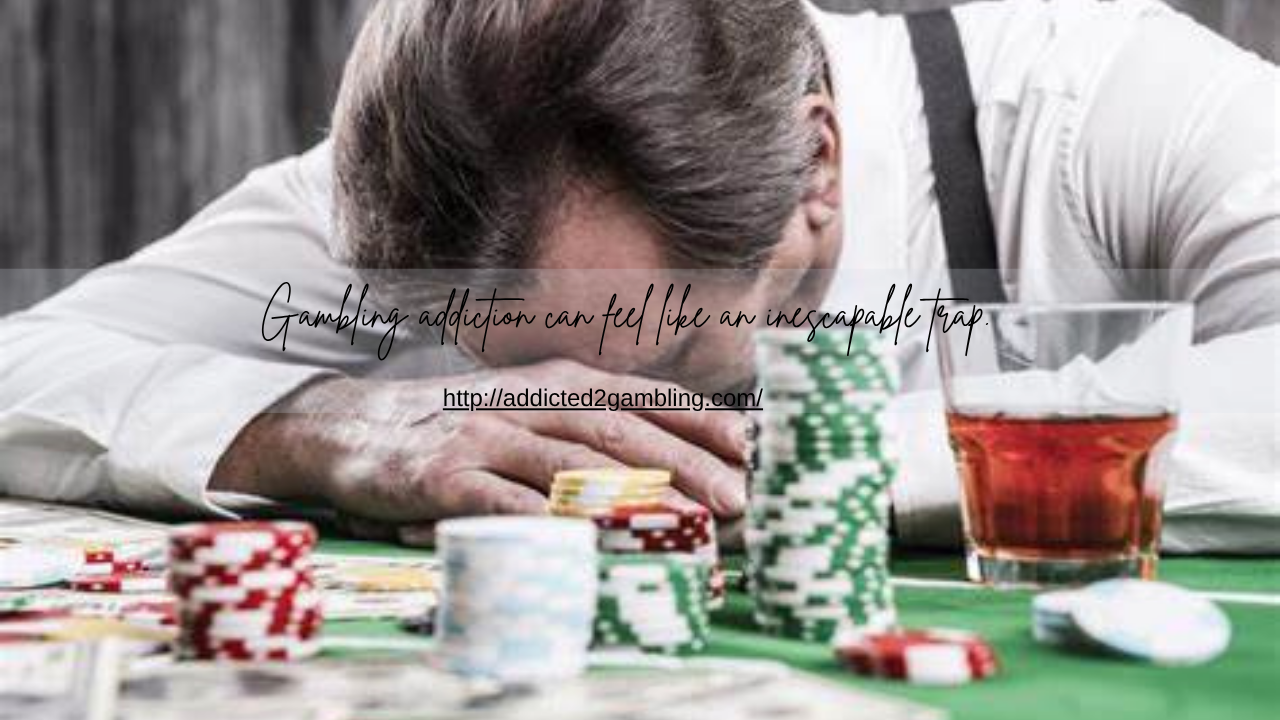 Gambling addiction can feel like an inescapable trap, but thousands of people have found a way out and rebuilt their lives. Their stories of struggle, resilience, and eventual triumph offer hope to others still caught in the cycle. While each journey is unique, these inspiring accounts highlight the power of support, determination, and professional help in achieving recovery.
John’s Journey: From Despair to Stability
John, a small business owner, began gambling as a way to unwind after work. What started as casual fun soon spiraled into an uncontrollable habit that consumed his savings and strained his marriage. After a particularly devastating loss at the casino, John hit rock bottom. With encouragement from his wife, he reached out to a local counselor specializing in gambling addiction.
Through cognitive-behavioral therapy (CBT) and the support of Gamblers Anonymous (GA), John learned to recognize triggers and develop healthier coping mechanisms. Today, he is debt-free and helps others by volunteering at community recovery workshops. His story demonstrates that recovery is possible with professional help and a strong support network.
Maria’s Story: Rebuilding After Online Gambling
For Maria, a single mother of two, online gambling provided an escape from the stress of balancing work and family life. The convenience of gambling from her phone made it easy to hide her growing addiction, but the financial impact became impossible to ignore. When her utilities were shut off due to unpaid bills, Maria knew she needed help.
Maria found strength in an online support group and began working with a financial counselor to create a plan for repaying debt. With time and perseverance, she not only regained control of her finances but also restored trust within her family. Maria now shares her experience in virtual support meetings to inspire others facing similar challenges.
David’s Road to Recovery: A Young Adult’s Perspective
David started gambling during college, drawn in by the excitement of sports betting. What began as friendly wagers among friends escalated into significant losses and academic troubles. After failing several classes and borrowing heavily from friends, David admitted to himself that he needed to change.
With the help of his university’s counseling center and a mentor from SMART Recovery, David began addressing his addiction. He focused on rebuilding his academic standing and developing healthier interests, like volunteering and fitness. David’s story highlights the importance of early intervention and the role of positive activities in sustaining recovery.
The Power of Shared Stories
These stories illustrate that recovery is possible, no matter how deep the addiction. Whether through therapy, support groups, financial counseling, or community involvement, people can and do break free from gambling’s grip. Hearing about others’ journeys can motivate those still struggling to take the first courageous step toward help.
Conclusion
From addiction to freedom, these personal accounts shine a light on the resilience of the human spirit. Each recovery journey shows that with determination, support, and the right resources, it is possible to reclaim control and build a healthier, more hopeful future.
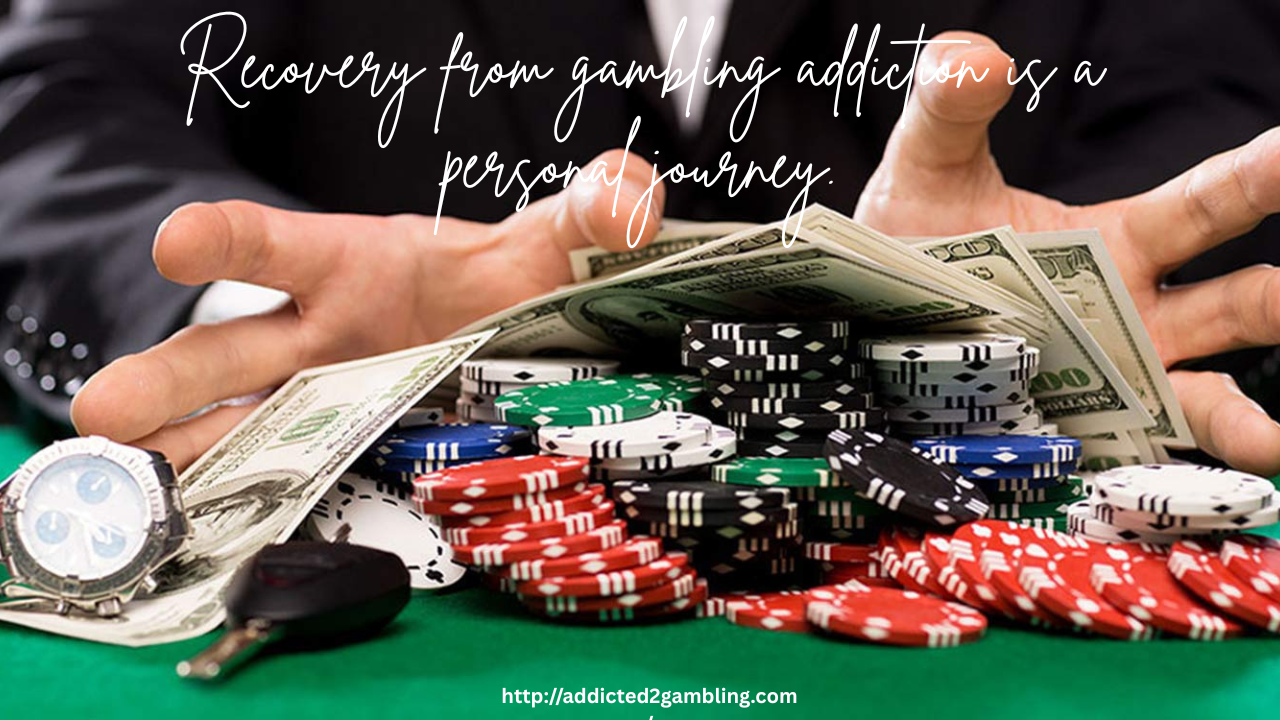 Gambling addiction is a serious condition that can affect anyone, regardless of age or background. Fortunately, there are many resources available to help those struggling with problem gambling find the support they need. From mobile apps and helplines to treatment programs, a range of tools can make a meaningful difference on the path to recovery. Here are some of the best resources for gambling addiction recovery.
1. Mobile Apps for Managing Gambling Urges
In today’s digital age, mobile apps have become valuable tools for recovery. They offer immediate support, self-monitoring features, and reminders to stay on track.
- Gambling Therapy App: This free app provides access to practical tools and information, including self-assessments, motivational quotes, and links to support groups. It also offers a directory of professional help worldwide.
- RecoverMe: Designed by medical professionals and those with lived experience, this app uses cognitive-behavioral therapy (CBT) techniques to help users manage gambling urges. It includes mindfulness exercises, a mood tracker, and relapse prevention tools.
- BetBlocker: This app allows users to block access to thousands of gambling websites and apps across multiple devices, making it harder to relapse.
2. 24/7 Hotlines for Immediate Help
Speaking to someone who understands can be a critical first step in getting help. Helplines offer confidential, non-judgmental support and can direct callers to local resources.
- National Problem Gambling Helpline (1-800-GAMBLER): Available 24/7 in the United States, this helpline offers support, guidance, and referrals to treatment.
- GamCare Helpline (0808 8020 133): UK-based and available around the clock, this service offers telephone and live chat support.
- Lifeline (13 11 14): In Australia, Lifeline provides support for all types of emotional distress, including gambling-related issues.
3. Support Groups for Community and Accountability
Peer support is a cornerstone of many recovery journeys. Hearing others’ experiences can reduce feelings of isolation and provide practical advice for staying clean.
- Gamblers Anonymous (GA): Modeled after Alcoholics Anonymous, GA uses a 12-step approach and holds meetings worldwide. Participants share their stories, support each other, and work through recovery steps together.
- SMART Recovery: This program focuses on self-empowerment and uses cognitive-behavioral techniques. It offers in-person and online meetings, along with resources to help individuals manage addictive behaviors.
4. Professional Treatment Programs
In some cases, professional treatment may be the best path forward. Options include outpatient counseling, residential rehab, and online therapy platforms.
- The National Council on Problem Gambling (NCPG): Their website offers a treatment provider directory and information about certified counselors.
- Therapy Platforms like BetterHelp or Talkspace: These services connect users with licensed therapists experienced in addiction treatment.
Conclusion
Recovery from gambling addiction is a personal journey, but you don’t have to go it alone. With the help of mobile apps, supportive hotlines, community groups, and professional programs, it is entirely possible to regain control. Exploring and using these resources can be the first step toward lasting recovery and a healthier future.
Watching someone you care about struggle with gambling can be heartbreaking and frustrating. Problem gambling affects not only the person with the addiction but also their family, friends, and relationships. If you suspect a loved one is facing a gambling problem, knowing how to approach the conversation can make a significant difference. With compassion, patience, and the right strategy, you can open the door to recovery.
Recognizing the Signs
Before initiating a conversation, it’s important to understand the signs of gambling addiction. These may include lying about gambling, borrowing money frequently, disappearing for long periods, neglecting responsibilities, and becoming defensive or secretive about finances. Once you have a clearer understanding, you’ll be better prepared to talk openly and honestly.
Choose the Right Time and Setting
Timing is crucial. Choose a calm, private setting where there are minimal distractions and the person is not under the influence of stress or intoxication. Avoid discussing the issue in the heat of an argument or during a gambling episode. A thoughtful, non-confrontational setting increases the chances of being heard.
Use Compassionate Language
It’s natural to feel angry or disappointed, but try to express concern without blame. Use “I” statements instead of “you” statements. For example, say, “I’m worried about how gambling is affecting your life,” rather than “You’re ruining everything with your gambling.” This approach can reduce defensiveness and make the conversation more productive.
Be Honest but Supportive
Gently share specific behaviors you’ve observed and how they’ve impacted you and others. Emphasize that you are speaking out of care and concern. Let your loved one know that you believe they can get better with help and that you’re willing to support them through the process.
Be Prepared for Resistance
Denial is a common reaction. Your loved one may become angry, defensive, or dismissive. It’s important to stay calm and avoid escalating the conversation. Let them know you are there for them and that your concern comes from a place of love. If the discussion becomes too heated, take a break and try again another time.
Offer Resources and Encouragement
If your loved one is open to the idea of change, provide information about professional help. This could include therapists specializing in addiction, local treatment programs, or support groups like Gamblers Anonymous. Offer to help make appointments or attend meetings with them if they are willing.
Set Boundaries
While supporting your loved one is important, protecting your own well-being is just as crucial. Set clear boundaries to avoid enabling their behavior, such as not lending money or covering debts. Explain your limits respectfully and consistently uphold them.
Conclusion
Talking to a loved one about their gambling problem is challenging, but it can be a critical first step toward recovery. With patience, empathy, and the right approach, you can help them see the impact of their actions and guide them toward seeking help. Remember, change may not happen overnight, but your support can make all the difference in their journey to healing.
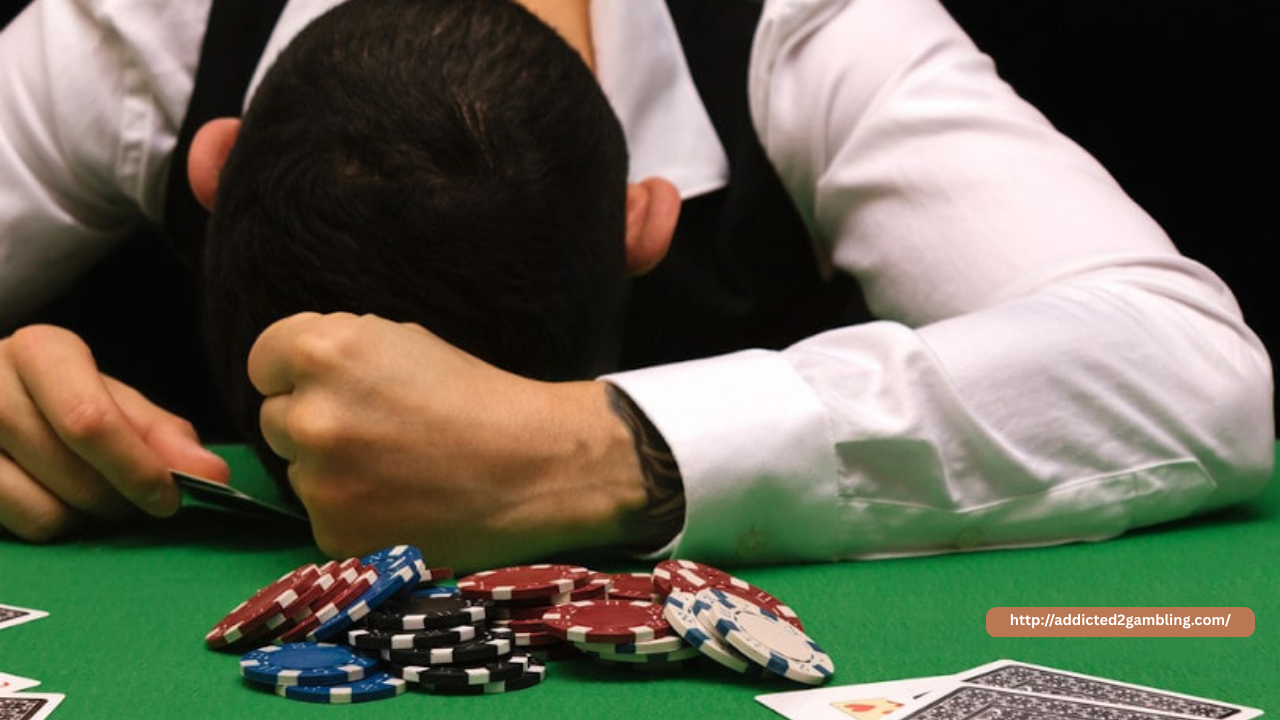
Gambling addiction is often misunderstood as a mere lack of self-control, but in reality, it is a complex behavioral disorder that is closely intertwined with mental health. Many individuals who struggle with compulsive gambling also face mental health challenges, and the two conditions can feed off one another, creating a dangerous and difficult cycle to break. Understanding the connection between gambling addiction and mental health is crucial for effective treatment and recovery.
The Psychological Roots of Gambling Addiction
People often begin gambling as a form of entertainment or escape. For some, it provides a temporary distraction from stress, anxiety, depression, or trauma. Over time, this coping mechanism can evolve into a compulsive behavior. The brain’s reward system reinforces gambling by releasing dopamine—a feel-good chemical—each time a bet is placed, regardless of whether it results in a win or loss. This reinforcement can lead to a dependence on gambling for emotional regulation.
Common Co-Occurring Mental Health Disorders
Gambling addiction frequently occurs alongside other mental health conditions, including:
- Depression: Feelings of sadness, hopelessness, and low energy often drive individuals to seek relief through gambling. However, the consequences of gambling—like financial stress and relationship problems—can worsen depression.
- Anxiety Disorders: Many problem gamblers report high levels of anxiety. Gambling may serve as a temporary distraction, but it often exacerbates anxiety in the long run, especially when losses accumulate.
- Substance Abuse: Gambling addiction and substance abuse share similar characteristics, such as cravings, tolerance, and withdrawal symptoms. It’s not uncommon for individuals to struggle with both issues simultaneously.
- Bipolar Disorder: During manic phases, people with bipolar disorder may engage in risky behaviors, including excessive gambling. Proper diagnosis and treatment of the underlying disorder are essential to addressing gambling addiction.
The Emotional Toll
The emotional impact of gambling addiction can be severe. Shame, guilt, and a sense of helplessness are common among those affected. These feelings can contribute to or worsen mental health issues, leading to a vicious cycle where gambling becomes both a cause and a consequence of emotional distress.
In severe cases, gambling addiction has been linked to suicidal thoughts and behaviors. According to various studies, individuals with gambling problems are significantly more likely to consider or attempt suicide compared to the general population. This underscores the importance of treating gambling addiction as a serious mental health issue.
Seeking Integrated Treatment
Given the strong connection between gambling addiction and mental health, integrated treatment approaches are often the most effective. This means addressing both the addiction and any co-occurring mental health conditions at the same time. Treatment options may include:
- Cognitive-Behavioral Therapy (CBT): Helps individuals identify and change harmful thought patterns.
- Medication: In some cases, antidepressants or mood stabilizers may be prescribed.
- Support Groups: Organizations like Gamblers Anonymous provide peer support and accountability.
Conclusion
Gambling addiction and mental health are deeply connected. Understanding this relationship can lead to more compassionate, comprehensive care for those affected. Recovery is possible, but it requires recognizing the dual nature of the problem and seeking support that addresses both the behavior and the underlying emotional challenges.
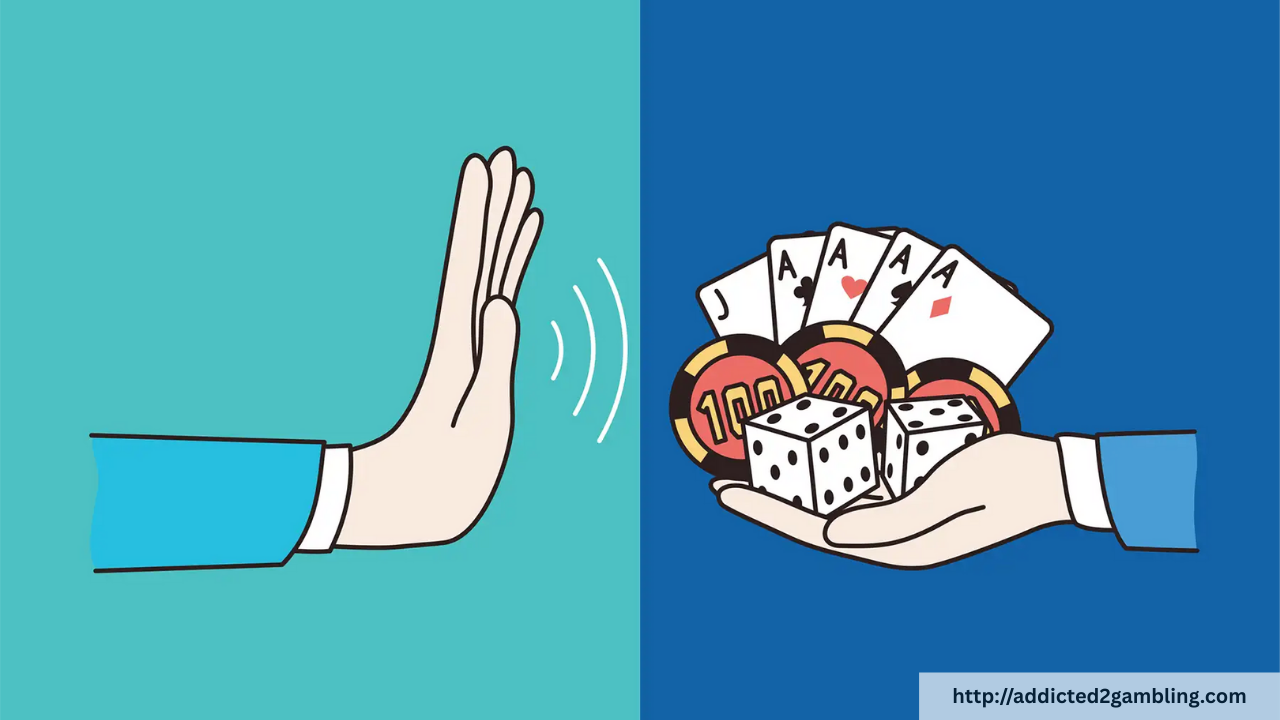
Recovering from a gambling addiction is a significant achievement, but for many, the financial consequences can linger long after the betting stops. Mounting debts, depleted savings, and damaged credit scores are common struggles faced by recovering gamblers. Fortunately, with commitment and careful planning, financial stability can be restored. Here are essential steps to help rebuild your finances after gambling addiction.
1. Acknowledge the Financial Damage
The first step toward financial recovery is acknowledging the full extent of the damage. Take an honest inventory of all debts, overdue bills, and obligations. Avoiding this step may prolong financial instability. Creating a clear picture of your financial situation allows you to set realistic goals and track progress.
2. Create a Budget and Stick to It
Budgeting is crucial for regaining financial control. List all sources of income and track monthly expenses, prioritizing essentials like rent, utilities, food, and transportation. Allocate a portion of income toward paying off debt and building an emergency fund. Tools like budgeting apps or spreadsheets can help manage and monitor your finances effectively.
3. Address Outstanding Debts
Debt repayment can feel overwhelming, but breaking it into manageable steps helps. Consider strategies like the debt snowball (paying off smaller debts first for psychological wins) or debt avalanche (tackling high-interest debts first). Communicate with creditors to explain your situation and explore options such as payment plans, reduced interest rates, or debt consolidation.
4. Seek Financial Counseling
Certified financial counselors can provide professional guidance tailored to your situation. They can help you create a debt management plan, avoid predatory lenders, and rebuild credit responsibly. Many non-profit organizations offer free or low-cost financial counseling services.
5. Secure Your Finances
To prevent relapse and regain control, put safeguards in place. Avoid carrying large amounts of cash or having easy access to credit cards. Hand over financial responsibilities to a trusted family member or friend if needed. Use self-exclusion programs to block access to online gambling sites, and consider installing financial management apps that send alerts for unusual spending.
6. Rebuild Your Credit
Gambling-related debt often damages credit scores. Begin rebuilding by paying bills on time, keeping credit utilization low, and gradually reducing outstanding balances. Secured credit cards or credit-builder loans can help restore your credit if used responsibly. Check your credit report regularly for errors and improvements.
7. Focus on Long-Term Financial Goals
As you stabilize your finances, shift your focus toward long-term goals such as saving for retirement, buying a home, or investing in education. Set achievable milestones and celebrate progress. Building a positive relationship with money is an important part of overall recovery.
Conclusion
Financial recovery after gambling addiction takes time, discipline, and support—but it is absolutely achievable. By acknowledging the damage, creating a plan, and seeking help when needed, individuals can regain control of their finances and build a more secure future. Just as recovery from addiction is possible, so too is financial freedom and peace of mind.
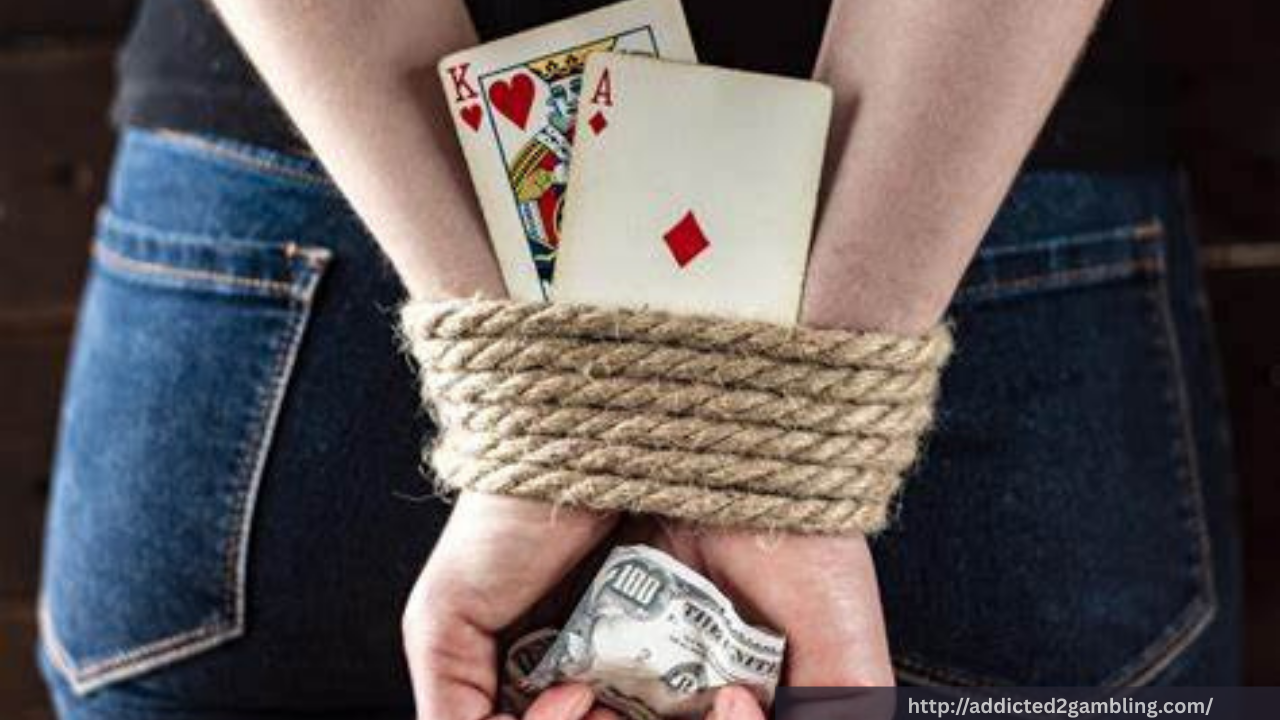
Gambling addiction is a complex and often isolating condition that can lead to serious consequences such as financial ruin, broken relationships, and emotional distress. However, recovery is possible, and two of the most effective tools in the journey toward healing are therapy and support groups. These resources offer guidance, understanding, and the structure needed to break free from the cycle of compulsive gambling.
The Role of Therapy in Recovery
Professional therapy is a powerful tool for addressing the root causes of gambling addiction. Many individuals turn to gambling as a way to cope with stress, anxiety, depression, or unresolved trauma. Therapy helps uncover these underlying issues and provides healthier strategies for managing emotions.
Cognitive-Behavioral Therapy (CBT) is particularly effective in treating gambling addiction. CBT focuses on identifying and changing negative thought patterns and behaviors associated with gambling. It helps individuals recognize triggers, challenge irrational beliefs (like the illusion of control or “lucky streaks”), and develop practical coping skills.
In addition to CBT, some people benefit from motivational interviewing, a counseling technique that encourages individuals to find their internal motivation to change. This approach can be especially useful for those who are ambivalent about giving up gambling.
Support Groups: Strength in Community
Support groups provide a sense of community and shared experience that can be incredibly reassuring for someone in recovery. Knowing that others are facing similar challenges helps reduce feelings of shame and isolation.
Gamblers Anonymous (GA) is one of the most well-known support groups for people struggling with gambling addiction. Modeled after Alcoholics Anonymous, GA uses a 12-step approach that includes admitting powerlessness over gambling, making amends for past wrongs, and helping others in recovery. Regular meetings offer a safe space to share experiences, gain encouragement, and stay accountable.
There are also online support groups and forums where people can connect with others from around the world. These platforms provide flexibility for those who may not have access to local meetings or prefer the anonymity of online participation.
Combining Therapy and Support Groups
While therapy and support groups are effective on their own, they are often most powerful when used together. Therapy provides personalized, professional guidance tailored to individual needs, while support groups offer peer reinforcement and real-life examples of recovery. Together, they create a comprehensive support system that addresses both the psychological and social aspects of addiction.
Taking the First Step
Admitting that help is needed can be difficult, but it’s the most important step toward recovery. Whether you start by speaking to a therapist, attending a GA meeting, or reaching out to an online forum, each step forward brings you closer to a life free from gambling addiction.
Conclusion
Recovery from gambling addiction is not a one-size-fits-all journey, but therapy and support groups are proven pillars of success. They offer the emotional, psychological, and social support necessary to overcome the grip of addiction. With the right help, it is entirely possible to move beyond the bet and reclaim a healthier, more fulfilling life.

Gambling can be an enjoyable form of entertainment for many people, but for some, it can spiral into a serious addiction. Problem gambling is often referred to as a “hidden addiction” because there are no physical symptoms, making it difficult to detect. If gambling is negatively impacting your life or the lives of those around you, it may be time to seek help. Here are some key signs that indicate you may have a gambling problem.
1. Inability to Control Gambling Habits
One of the clearest signs of a gambling problem is the inability to stop or cut back, even when you want to. You may find yourself making promises to stop gambling, only to return to betting within a short period. This lack of control is a strong indicator that gambling has become more than just a hobby.
2. Preoccupation with Gambling
If you constantly think about gambling, plan your next bet, or reminisce about past wins and losses, it could be a sign of addiction. A preoccupation with gambling often leads to neglecting other responsibilities and relationships.
3. Chasing Losses
A major red flag is the habit of chasing losses—continuing to gamble in an attempt to recover previous financial losses. This behavior often leads to even greater losses, increasing financial and emotional distress.
4. Lying About Gambling
Many problem gamblers lie to family and friends about how much they gamble or how much money they’ve lost. If you feel the need to hide your gambling activities, it could indicate that you recognize the problem but are struggling to control it.
5. Gambling Despite Negative Consequences
When gambling starts affecting your finances, relationships, or work performance, yet you continue to engage in it, this is a clear warning sign. Ignoring these consequences often leads to further deterioration of personal and professional life.
6. Financial Problems
Gambling addiction can lead to severe financial issues, including maxing out credit cards, borrowing money, selling valuables, or even engaging in illegal activities to fund the habit. If gambling is causing financial strain, it is crucial to seek help.
7. Emotional Distress
Gambling addiction is often linked to anxiety, depression, and mood swings. Feelings of guilt, shame, and hopelessness can become overwhelming, especially after significant losses. If gambling is affecting your emotional well-being, professional support may be needed.
8. Withdrawal from Loved Ones
Many problem gamblers begin to withdraw from friends and family, avoiding social interactions to spend more time gambling. Isolation can make the addiction worse and limit support from those who care about you.
Seeking Help
Recognizing the signs of a gambling problem is the first step toward recovery. If you or someone you know is struggling, there are resources available, including therapy, support groups like Gamblers Anonymous, and financial counseling. Seeking help early can prevent further damage and lead to a healthier, more stable life.
No one has to face this struggle alone. Support is available, and recovery is possible for those who take the first step toward seeking help.