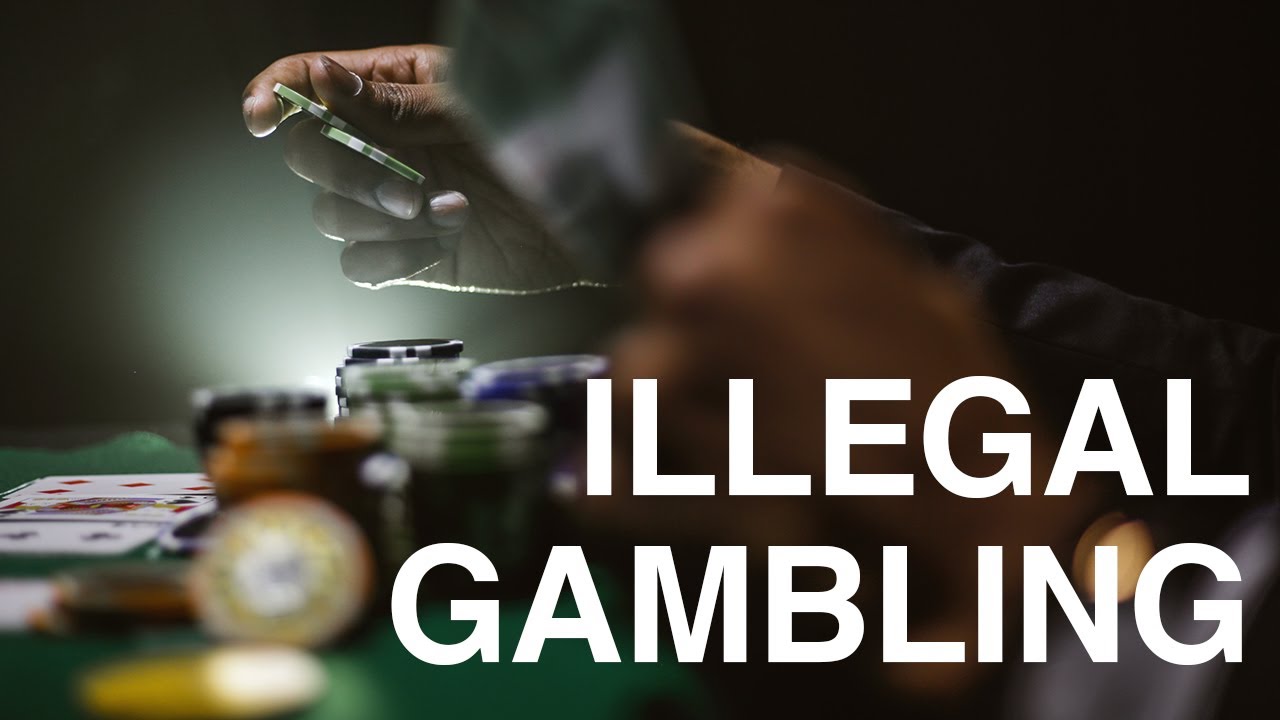
 For many individuals, gambling addiction feels like a constant battle against overwhelming urges. The pull to bet can dominate thoughts, disrupt finances, and strain relationships. While the temptation may seem unstoppable, lasting recovery is possible. With the right strategies, professional support, and holistic care, individuals can move beyond the urge and regain control of their lives.
Understanding Gambling Addiction
Gambling addiction, also known as compulsive gambling or gambling disorder, is a serious mental health condition. It affects the brain’s reward system, creating powerful cravings and reinforcing risky behavior even when it leads to negative consequences.
In addition to behavioral challenges, individuals often experience co-occurring conditions such as anxiety, depression, or stress-related disorders. Addressing these underlying issues is essential to achieving sustained recovery and overall wellness.
Why Professional Support Is Critical
Quitting gambling on your own is rarely effective. The urges are driven not only by habit but also by changes in brain chemistry and emotional patterns. Professional support provides the tools, guidance, and accountability needed to overcome these challenges.
Inpatient and Outpatient Programs
Inpatient treatment offers a structured environment where individuals receive around-the-clock care. This immersive approach is particularly effective for those with severe gambling addiction or co-occurring mental health issues.
Outpatient programs allow individuals to maintain work or family responsibilities while participating in therapy, counseling, and support groups. Both inpatient and outpatient options provide evidence-based treatment tailored to individual needs.
Therapy and Mental Health Services
Professional therapy is a cornerstone of gambling addiction recovery. Cognitive-behavioral therapy helps individuals recognize harmful thought patterns and develop healthier coping strategies. Individual counseling addresses personal triggers, while group therapy fosters community, accountability, and shared experience. Treating co-occurring mental health conditions enhances recovery outcomes and reduces the risk of relapse.
Holistic and Faith-Based Approaches
Recovery involves more than simply stopping gambling. Holistic and faith-based approaches focus on restoring balance in mind, body, and spirit. Practices such as mindfulness, meditation, exercise, nutrition, and spiritual guidance help individuals manage stress, build resilience, and cultivate purpose. These strategies complement traditional therapy and provide tools for long-term healing.
Personalized Recovery Plans
No two journeys to recovery are the same. Treatment centers develop individualized care plans that consider each person’s unique triggers, goals, and challenges. Personalized plans improve engagement, strengthen motivation, and increase the likelihood of lasting recovery.
Taking Action Toward Lasting Change
Overcoming gambling addiction is a courageous journey. Recognizing the need for professional support and engaging in structured care can break the cycle of compulsive gambling. With therapy, holistic practices, and personalized guidance, individuals can move beyond the urge, rebuild relationships, and create a meaningful, balanced life.
If you or a loved one is struggling with gambling, reach out to a qualified addiction recovery provider today. Explore inpatient or outpatient programs, therapy options, and holistic support that can help you break free from gambling addiction and achieve lasting recovery.
Leave a Reply
You must be logged in to post a comment.