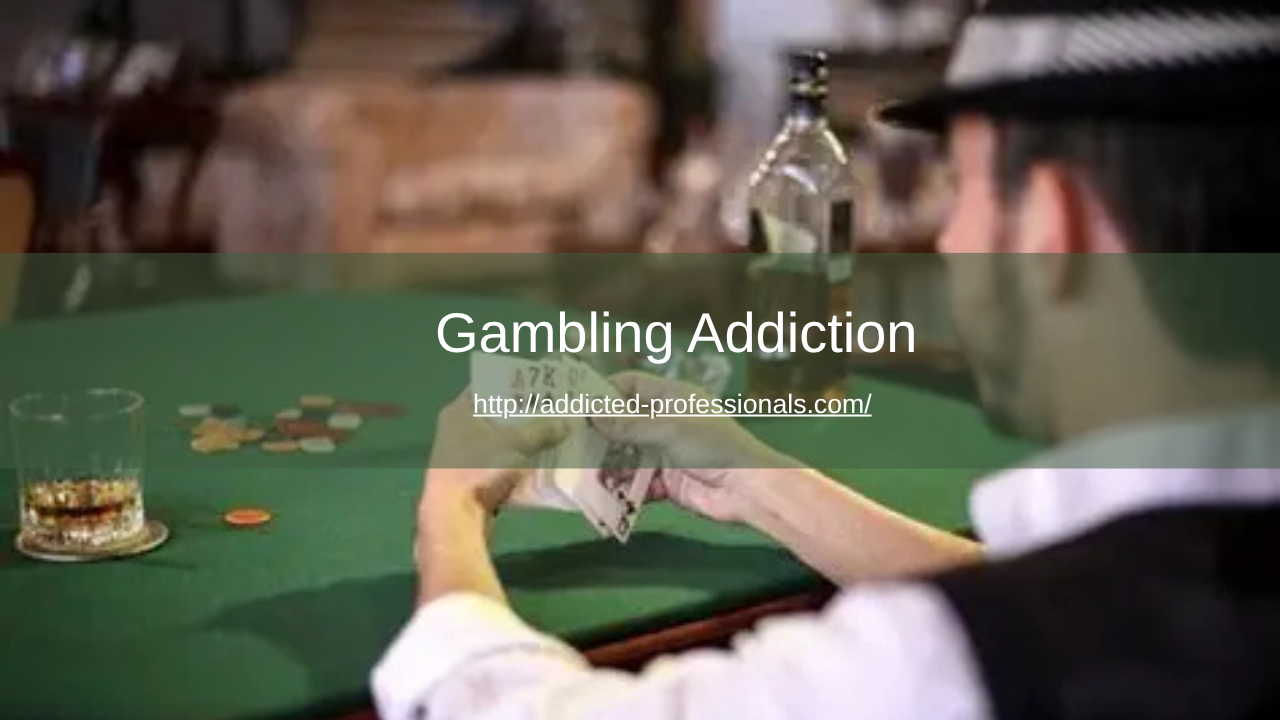
 Gambling addiction can take hold slowly, often starting as a casual activity that provides excitement or stress relief. Over time, however, it can escalate into a compulsive behavior that disrupts your finances, relationships, and mental health. For those struggling, the cycle of betting, losing, and chasing losses can feel impossible to escape. The encouraging truth is that recovery is possible. With the right support, strategies, and holistic care, individuals can regain control and build a life free from gambling compulsion.
Recognizing Gambling Addiction
Gambling addiction, also called compulsive gambling or gambling disorder, is a behavioral condition that affects the brain’s reward system. Gambling releases dopamine, creating a feeling of pleasure that reinforces the behavior. Over time, the desire to gamble can override rational thinking, leading to risky financial decisions and emotional distress.
Common signs of gambling addiction include:
-
Constantly thinking about gambling or planning the next bet
-
Hiding gambling behavior from loved ones
-
Chasing losses by placing larger bets
-
Neglecting responsibilities at work, school, or home
-
Experiencing anxiety, guilt, or depression related to gambling
Identifying these signs early is crucial for seeking help and taking the first steps toward recovery.
Steps to Overcome Gambling Addiction
Seek Professional Addiction Treatment
Recovery begins with professional guidance. At addicted2gambling.com, individuals can access both inpatient and outpatient programs tailored to their needs. Inpatient programs offer a controlled environment that allows clients to focus fully on recovery. Outpatient programs provide flexibility, enabling individuals to maintain daily responsibilities while receiving therapy. Evidence-based approaches, including cognitive-behavioral therapy, help clients identify triggers, change harmful thought patterns, and develop healthier coping strategies.
Address Underlying Mental Health Concerns
Many individuals gamble to manage stress, anxiety, or depression. Addressing these underlying issues is key to sustaining recovery. Mental health treatment, combined with holistic therapies such as mindfulness, exercise, and faith-based counseling, strengthens emotional resilience and reduces the likelihood of relapse.
Build a Strong Support Network
Recovery is more successful when shared. Support groups such as Gamblers Anonymous or SMART Recovery provide encouragement, accountability, and a safe environment to share experiences. Including family or close friends in your journey helps rebuild trust and reinforces motivation to maintain control over gambling behaviors.
Establish Financial Boundaries
Gambling addiction often leads to financial instability. Practical steps, such as creating a budget, limiting access to credit, and working with a financial counselor, are essential to regain control. Financial safeguards reduce temptation and help restore independence and confidence.
Replace Gambling with Healthy Activities
Finding meaningful alternatives to gambling is critical for long-term recovery. Engaging in hobbies, volunteering, or physical activity helps fill the emotional and psychological gap left by gambling. Positive activities not only provide fulfillment but also reinforce healthy routines and decision-making skills.
Moving From Compulsion to Control
Breaking free from gambling addiction is a journey that requires courage, support, and structured strategies. Recovery is about more than stopping gambling; it is about restoring balance, rebuilding relationships, and reclaiming self-confidence.
At addicted2gambling.com, compassionate professionals offer individualized care that addresses the whole person. From mental health treatment to holistic and faith-based approaches, clients receive the tools and support needed to achieve lasting recovery. Taking the first step today can transform your life and set you on a path from compulsion to control.
Leave a Reply
You must be logged in to post a comment.