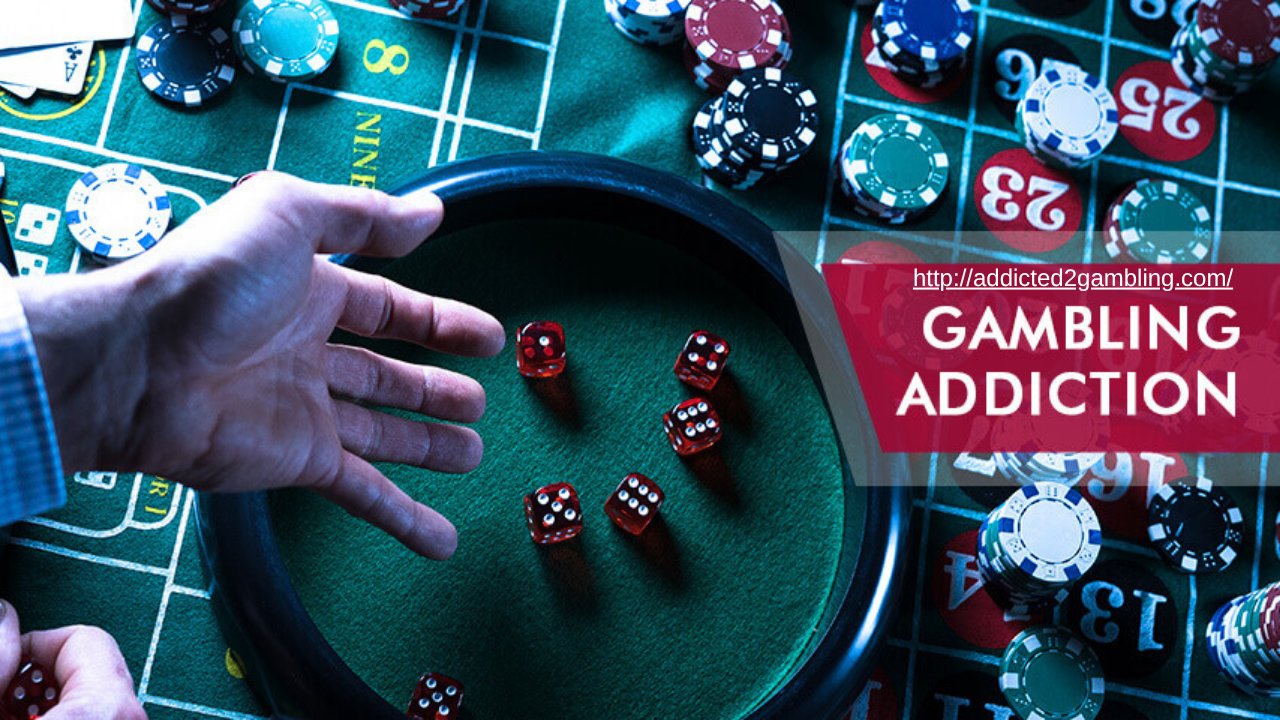
 Gambling addiction can feel overwhelming, consuming your thoughts, finances, and relationships. What starts as casual entertainment often evolves into a compulsive behavior that feels impossible to control. For many, the cycle of betting, losing, and chasing losses creates a downward spiral that impacts every area of life. The good news is that recovery is possible. With the right strategies, professional support, and compassionate guidance, you can break free from gambling addiction and reclaim your life.
Understanding Gambling Addiction
Gambling addiction, also known as compulsive gambling or gambling disorder, is a behavioral condition driven by the brain’s reward system. Repeated gambling releases dopamine, creating pleasure that reinforces the behavior. Over time, this can lead to risky financial decisions, strained relationships, and emotional distress.
Recognizing the signs is the first step toward recovery. Common indicators include:
-
Persistent preoccupation with gambling or planning bets
-
Hiding or lying about gambling activities
-
Chasing losses with increasingly larger wagers
-
Neglecting responsibilities at work, home, or school
-
Experiencing guilt, anxiety, or depression related to gambling
Acknowledging the problem allows you to take proactive steps toward help.
Steps to Reclaim Your Life
Seek Professional Addiction Treatment
Professional guidance is essential for breaking the cycle of gambling. At addicted2gambling.com, individuals have access to both inpatient and outpatient care tailored to their needs. Inpatient programs provide a structured environment for focused recovery, while outpatient care allows flexibility for daily life responsibilities. Evidence-based therapies, such as cognitive-behavioral therapy, help individuals identify triggers, challenge harmful thought patterns, and develop healthier coping strategies.
Build a Strong Support Network
Recovery is easier with a supportive community. Support groups like Gamblers Anonymous or SMART Recovery provide a safe space to share experiences, gain encouragement, and maintain accountability. Including family members in the recovery process can rebuild trust and strengthen emotional support. A strong network reinforces commitment and motivation.
Address Mental Health and Emotional Wellness
Many people gamble to cope with stress, anxiety, or depression. Addressing these underlying mental health concerns is critical for sustained recovery. Holistic approaches, including mindfulness practices, spiritual or faith-based counseling, exercise, and nutrition, help individuals manage stress, reduce cravings, and strengthen resilience.
Implement Financial Safeguards
Regaining control of your finances is an important part of recovery. Working with a financial counselor, setting budgets, limiting access to credit cards, and creating self-exclusion programs for online gambling can prevent relapse. Establishing boundaries around money helps restore independence and stability.
Engage in Positive Activities
Replacing gambling with meaningful hobbies, social activities, or volunteer work supports recovery by filling the emotional and psychological gaps left by gambling. Engaging in rewarding activities reinforces healthy behavior and builds a balanced lifestyle.
Moving Forward
Breaking free from gambling addiction requires courage, support, and practical strategies. Recovery is not just about stopping gambling; it is about rebuilding your life, restoring relationships, and reclaiming self-control.
At addicted2gambling.com, compassionate professionals provide individualized care, combining mental health treatment, holistic therapies, and both inpatient and outpatient programs. Taking the first step today can transform your life and set you on a path toward lasting recovery. Help is available, and a healthier future is within reach.
Leave a Reply
You must be logged in to post a comment.