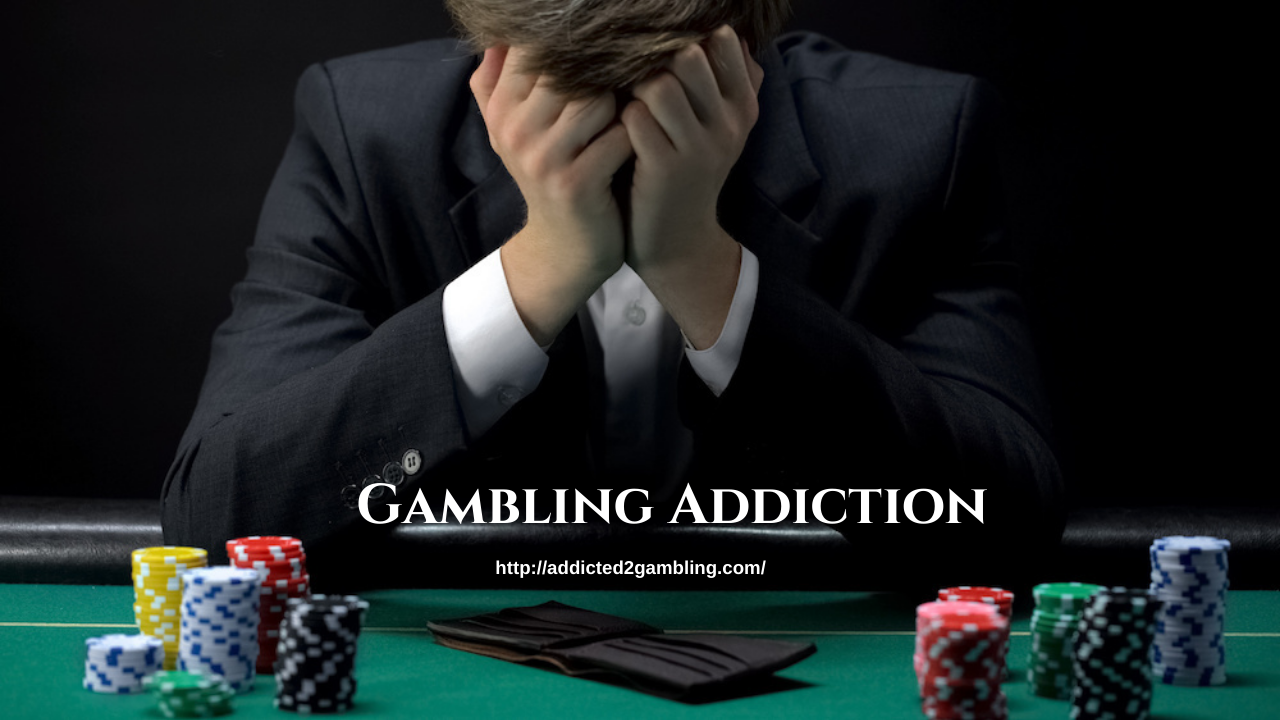
 Gambling addiction is a deeply challenging condition that affects not only your finances but also your mental health, relationships, and overall well-being. For many, the cycle of betting, losing, and chasing losses can feel impossible to break. If you or someone you care about is struggling, it is important to know that recovery is possible. With the right strategies, professional support, and a compassionate approach, individuals can reclaim control over their lives and build a future free from compulsive gambling.
Understanding Gambling Addiction
Gambling addiction, also known as compulsive gambling or gambling disorder, is more than just an occasional risk. It is a behavioral disorder that affects the brain’s reward system, creating powerful cravings and a persistent urge to gamble despite negative consequences. Often, gambling is used to cope with stress, anxiety, or depression, which can create a vicious cycle where the behavior reinforces emotional distress.
Recognizing the problem early is critical. Common signs of gambling addiction include:
-
Frequent preoccupation with gambling or planning the next bet.
-
Inability to stop or control gambling behavior.
-
Chasing losses with increased risk-taking.
-
Lying or hiding gambling activity from loved ones.
-
Financial difficulties or reliance on others to cover debts.
-
Emotional distress, including anxiety, guilt, or depression.
Acknowledging these signs is the first step toward recovery and opens the door to effective treatment.
Proven Steps to Overcome Gambling Addiction
Seek Professional Support
Professional guidance is essential for long-term recovery. Therapists and counselors trained in addiction recovery can provide evidence-based treatments such as cognitive-behavioral therapy. CBT helps individuals understand the triggers and thought patterns that drive gambling behaviors, allowing them to replace harmful habits with healthier coping strategies.
At addicted2gambling.com, treatment options include both inpatient and outpatient care, tailored to the severity of the addiction. Inpatient programs provide a structured environment where individuals can focus on recovery without external distractions. Outpatient programs allow clients to continue daily responsibilities while receiving professional support.
Join Support Groups
Recovery is not a journey to take alone. Peer support groups, such as Gamblers Anonymous, offer a safe environment to share experiences, gain encouragement, and build accountability. Engaging with others who understand the struggle reduces feelings of isolation and reinforces commitment to change.
Implement Financial and Lifestyle Safeguards
Regaining control of finances is a critical component of recovery. Steps may include limiting access to credit, working with a financial counselor, and creating a budget to manage debts and rebuild savings. Additionally, lifestyle changes, such as engaging in hobbies, exercise, or volunteer work, can help redirect energy away from gambling and toward fulfilling activities.
Explore Holistic and Individualized Approaches
Holistic care addresses not just the gambling behavior but also the emotional, mental, and spiritual aspects of recovery. Mindfulness practices, meditation, fitness routines, and faith-based counseling can support emotional resilience and overall well-being. Each treatment plan should be personalized to meet the unique needs and values of the individual.
Taking the Next Step
Breaking free from gambling addiction is challenging, but it is achievable with dedication, support, and the right resources. The first step is to reach out for help. Whether through professional counseling, support groups, or personalized treatment programs, taking action today can transform your life.
At addicted2gambling.com, compassionate experts are ready to guide you through every stage of recovery. You do not have to face this struggle alone. Reclaim your life, restore your relationships, and build a future free from gambling addiction.
Leave a Reply
You must be logged in to post a comment.